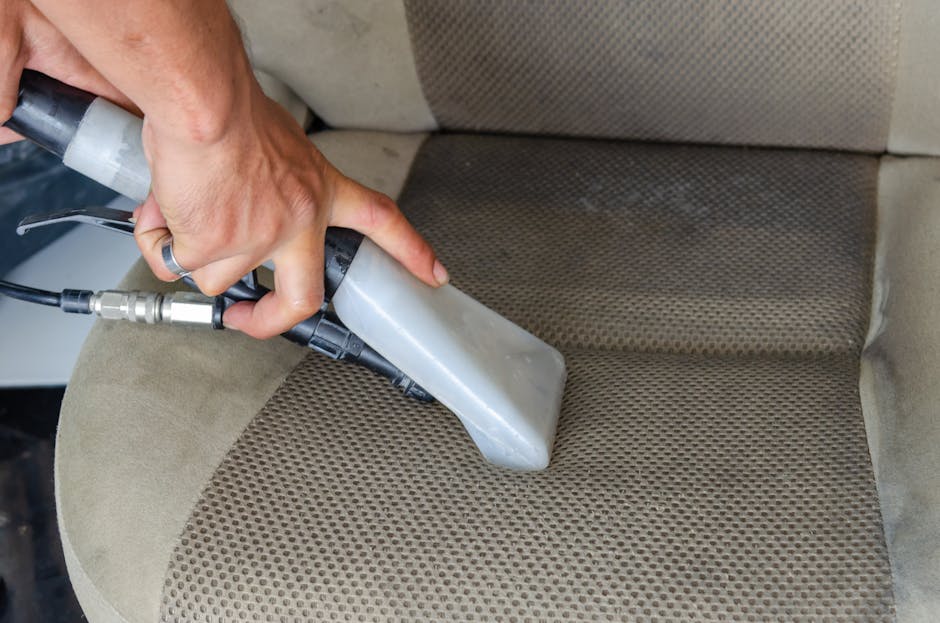
Fore Street upholstery cleaning tips for local shop owners
If you run a shop on or near Fore Street, your upholstery works harder than most people realise. Chairs get sat on all day, benches pick up dust and food crumbs, waiting seats absorb body oils, and soft furnishings quietly hold onto smells from traffic, takeaway packaging, rain, and the general rhythm of a busy London day. The result? Even a tidy shop can start to feel tired.
These Fore Street upholstery cleaning tips for local shop owners are designed to help you keep customer seating, fabric displays, and staff furniture looking presentable without wasting time or money. The aim is simple: protect your furnishings, improve your shop's impression, and make cleaning feel manageable rather than reactive. Truth be told, upholstery rarely fails all at once. It just gets a bit dull, then a bit marked, then suddenly everyone notices.
Below, you'll find practical guidance on routine care, stain handling, safer cleaning methods, when to call in professional help, and how to build upholstery maintenance into the normal running of a local business. If you already look after floors too, it also helps to think of upholstery as part of the wider commercial cleaning picture, alongside commercial carpet cleaning and regular stain removal.
Table of Contents
- Why upholstery cleaning matters for Fore Street shop owners
- How upholstery cleaning works in a shop setting
- Key benefits and practical advantages
- Who this is for and when it makes sense
- Step-by-step guidance
- Expert tips for better results
- Common mistakes to avoid
- Tools, resources and recommendations
- Law, compliance, standards and best practice
- Options, methods and comparison
- Case study or real-world example
- Practical checklist
- Conclusion
- Frequently asked questions
Why Fore Street upholstery cleaning tips for local shop owners Matters
In a local shop, upholstery is part of the customer experience before anyone says a word. A clean chair, banquette, or sofa suggests care, attention, and consistency. A dusty armrest or stained seat, on the other hand, can make the whole space feel less trustworthy, even if your products and service are excellent. People notice these things in seconds.
Fore Street sees a mix of footfall, weather, and everyday grit. On a damp day, fabric chairs can pick up moisture and road debris. In warmer weather, body oils and drinks become the main problem. If you serve food, offer fittings, or have a waiting area, the cleaning need goes up again. And if you have fabric furnishings near open doors, vents, or windows, they often gather dust faster than you expect.
There is also a practical side. Dirt trapped in fibres wears them down. Small stains become stubborn stains. Odours build up. Fabric begins to look matted. Over time, that can mean earlier replacement, which is a cost most shop owners would rather avoid. A sensible cleaning routine protects both appearance and budget.
Expert summary: The best upholstery cleaning plan is usually not one big clean once in a while. It is a mix of quick daily care, weekly checks, and a deeper clean before grime gets a chance to settle in.
This is where a broader commercial maintenance plan helps. If your furniture and flooring are cleaned together, the whole premises stays more consistent. That is one reason many business owners look at professional upholstery cleaning alongside fabric-safe cleaning for other areas, such as curtain cleaning and rug cleaning.
How Fore Street upholstery cleaning tips for local shop owners Works
Good upholstery cleaning starts with knowing what the fabric can handle. Not every chair or sofa cover reacts the same way. Some fabrics tolerate low-moisture cleaning. Others need extra caution because they can shrink, mark, or distort if over-wet. If you have mixed furniture in your shop, you will notice pretty quickly that one method does not suit everything. A velvet stool and a vinyl waiting chair are not cousins in cleaning terms, not really.
The basic process usually follows a pattern:
- Identify the material - Check the care label or supplier notes where possible. If you do not have them, assume caution.
- Remove dry debris - Vacuum seats, seams, and corners first. Loose grit acts like sandpaper when you start cleaning.
- Pre-treat marks - Use a fabric-safe approach for spot stains. Do not rub aggressively.
- Clean the surface - Depending on the upholstery, this might involve low-moisture extraction, foam cleaning, controlled hand cleaning, or specialist treatment.
- Dry properly - Airflow matters. A seat that stays damp too long can smell musty and attract re-soiling.
- Check the finish - Look for tide marks, missed spots, colour changes, and residual odour once dry.
That last step is often skipped. It shouldn't be. A chair can look okay when it is still slightly damp and then dry into a patchy finish. To be fair, it happens all the time in busy retail spaces where someone has only ten minutes between customers.
When a business wants a more reliable result, it can be sensible to align upholstery care with other service areas such as sofa cleaning, steam carpet cleaning, or targeted pet stain and odour removal if animals or service pets are part of the environment.
Key Benefits and Practical Advantages
The benefits of maintaining upholstery go beyond making the place look nice, although that alone is worth something. In a shop environment, clean furnishings help with trust, comfort, and the feeling that the business is run properly.
- Better first impressions - Customers often read cleanliness as a sign of professionalism.
- Longer furniture life - Dirt and grit wear fabric down over time.
- Fewer odours - Regular cleaning helps reduce the build-up of food, drink, and damp smells.
- More comfortable seating - Clean fabric feels fresher to sit on, especially in waiting areas.
- Easier maintenance - Small issues are easier to handle before they set.
- Lower replacement pressure - Keeping upholstery in decent condition delays the need to buy new chairs or sofas.
There is also a subtle commercial benefit. A neat, well-kept interior can support the rest of your brand. If you sell premium products, an unclean seat can jar with the image. If you are a practical, friendly local business, the same seat can still undermine the sense of care you want to project. People may not say it out loud, but they feel it.
For shop owners balancing budgets, this is where planning matters. Comparing cleaning options and scheduling services before a problem becomes obvious can reduce disruption and help you avoid rushed decisions. If you need that planning support, it can be useful to review pricing and quotes alongside the company's approach to payment and security.
Who This Is For and When It Makes Sense
This guidance is especially useful for local shop owners who have upholstered furniture that customers or staff use regularly. That includes:
- independent retailers with seating near the till
- cafes and takeaway shops with waiting chairs
- salons, barbers, and treatment rooms
- showrooms with soft seating for visitors
- estate agents and service businesses with reception areas
- shops that host staff breaks in a shared seating area
It also makes sense if your upholstery is not visibly dirty yet, but it is starting to look flat, faded, or slightly grubby around the arms and headrests. That stage is the sweet spot. Clean it then, and you usually need less aggressive treatment.
Some shops only need light maintenance. Others, especially those with high turnover or food and drink nearby, need a stricter routine. If customers sit for long periods, or if chairs are near doors that open all day, the cleaning cycle needs to be shorter. Simple as that.
If you are not sure how a fabric will react, it is safer to start with a gentler method and test a hidden area first. If that sounds cautious, well, it should. Upholstery can be fussy. Fabric remembers everything.
Step-by-Step Guidance
Here is a practical way to manage upholstery cleaning in a shop without turning it into a full-time job.
1. Start with a visual and smell check
Walk the seating area and look at the front edge of seats, arms, seams, and the backrest tops. Those are the areas that collect the most wear. Then check for smells. A stale, sour, or damp odour usually means dirt is embedded deeper than the surface.
2. Vacuum thoroughly
Use a vacuum with an upholstery attachment and get right into corners and stitching. This removes crumbs, dust, loose hair, and grit. If you skip this stage, you can smear debris into the fibres and make the job harder. Nobody wants that.
3. Treat spots before you clean the whole seat
Work on individual marks first. Blot liquids with a clean absorbent cloth. For solid residue, lift it gently rather than rubbing. Rubbing pushes the stain into the material and can spread the mark. Use a fabric-appropriate spot treatment and always keep moisture controlled.
4. Choose the right cleaning method
For many shop settings, low-moisture methods are the safest starting point. Heavy saturation is risky because it can leave water rings, slow drying, or a patchy finish. If upholstery is heavily soiled, professional equipment may be the better option.
5. Dry with airflow, not heat blasting
Open windows where possible, keep ventilation moving, and avoid harsh direct heat unless the fabric instructions say otherwise. Fast, even drying helps the finish. If the room smells damp after cleaning, that usually means the drying stage was not given enough time.
6. Inspect before putting the furniture back into full use
Once dry, check for tide marks, stiffness, colour fade, and any remaining stain edges. In a live shop, it is worth giving the area one final tidy so the space feels properly reset before customers sit down again.
7. Log what you did
This is a small thing, but it helps. Note the date, the area cleaned, any stains found, and what treatment was used. If a fabric reacts badly later, you'll be glad you have a record.
Expert Tips for Better Results
A lot of upholstery problems come from rushing. The better approach is slower at the start and quicker in the long run. That is the annoying truth of it.
- Work from the cleanest area to the dirtiest so you do not drag grime across fresh fabric.
- Use white or light-coloured cloths when blotting, so dye transfer from the cloth does not create a new problem.
- Test in a hidden area before using any cleaner, especially on dyed or delicate fabrics.
- Pay attention to seams and creases; dirt hides there and dries in layers.
- Keep food and drink away from soft seating where possible; a small rule can save a lot of scrubbing later.
- Refresh high-touch points more often such as armrests, headrests, and seat fronts.
If your shop has staff who wipe surfaces daily, make sure they know that not every cleaner suits fabric. An all-purpose product may be fine for counters but wrong for upholstery. That distinction matters. A lot.
One practical habit is to keep a "small incident" kit somewhere accessible. A spill near closing time is much easier to handle if a cloth, absorbent towel, and suitable fabric-safe spot treatment are ready to go. You will feel calmer, too, which helps more than people think.
For more complex fabrics or mixed-use spaces, it can be wise to look at service options such as upholstery cleaning in the context of other materials like curtains, rugs, and carpets. Matching the approach across the room tends to give a more even result.
Common Mistakes to Avoid
Here are the mistakes that cause most avoidable damage.
- Over-wetting the fabric - Too much liquid can leave marks, stretch fibres, or encourage odour.
- Scrubbing stains hard - This can roughen the material and spread the stain outward.
- Using the wrong cleaner - A product that works on hard surfaces may stain or weaken upholstery.
- Ignoring drying time - Damp furniture in a shop can feel unpleasant and look worse later.
- Cleaning only when it looks bad - By then, stains have usually settled in.
- Forgetting hidden contact points - The back edge, underside lip, and arm curves often hold the most dirt.
Another common slip is assuming every mark is the same. Coffee, ink, grease, and makeup each behave differently. If you treat them all the same way, one of two things happens: the stain stays put, or the fabric suffers. Neither is ideal.
And yes, I have seen shop owners do a heroic amount of wiping with the wrong cloth and make a tiny stain much larger. It happens. No shame. Just learn, adjust, carry on.
Tools, Resources and Recommendations
You do not need a giant toolkit to look after upholstery properly, but a few sensible items make a real difference:
- a vacuum with upholstery attachments
- clean white microfibre cloths
- absorbent towels for spill response
- fabric-safe spot treatment
- a soft brush for lightly lifting debris
- gloves for handling cleaning products
- a simple cleaning log or maintenance checklist
For businesses that want a broader cleaning programme, it can help to coordinate upholstery maintenance with carpet cleaning and, where appropriate, steam carpet cleaning. The idea is not to chase every service available. It is to keep the whole space looking joined-up rather than patchy.
If your seating includes sofas or lounge furniture, the same principles apply, though the size and fabric type may make professional care more appealing. That is especially true for reception furniture that customers see first. A good-looking sofa can quietly do a lot of selling for you.
Law, Compliance, Standards and Best Practice
For most local shop owners, upholstery cleaning is mainly a matter of sensible maintenance and good housekeeping. Still, there are a few best-practice points worth keeping in mind.
First, staff safety matters. If anyone is using chemical cleaners, they should understand safe handling, ventilation, and basic personal protection. Follow the product instructions, keep containers labelled, and do not mix different products unless the instructions specifically allow it. That sounds obvious, but it is where problems tend to start.
Second, consider slip risk during cleaning. Wet fabrics, nearby floors, and damp textiles can create hazards if customers or staff move through the area too quickly. A temporary barrier, sign, or short pause in access is often enough.
Third, if you rely on a contractor, make sure they can explain their method plainly. You do not need jargon. You need confidence that they understand fabric types, drying times, and damage prevention. If a provider also has clear information about health and safety policy, insurance and safety, and terms and conditions, that is a helpful sign they take the work seriously.
Finally, sustainability is increasingly part of routine business decisions. Using less water, reducing waste, and choosing cleaning approaches that extend furniture life all support a more responsible operation. If that matters to your shop, it may be worth looking at a provider's recycling and sustainability approach as part of the decision.
None of this is heavy-handed compliance theatre. It is just good practice. And in a small business, good practice is often the difference between "fine" and "properly looked after."
Options, Methods and Comparison Table
Different upholstery cleaning methods suit different shop situations. Here is a simple comparison to help you decide what makes sense.
| Method | Best for | Pros | Watch-outs |
|---|---|---|---|
| Vacuuming and dry maintenance | Daily or weekly upkeep | Quick, low risk, prevents debris build-up | Will not remove set stains or deep odours |
| Spot cleaning | Fresh spills and small marks | Targets problem areas without disturbing the whole seat | Needs the right product and a gentle touch |
| Low-moisture fabric cleaning | Regular commercial upholstery maintenance | Controlled drying, suitable for many business settings | Not ideal for all fabric types |
| Deep professional cleaning | Heavy soil, odours, or high-traffic seating | More thorough, more consistent finish | May require downtime and careful scheduling |
In practice, many shop owners do best with a mix. Daily vacuuming, immediate spill response, and a planned deeper clean when needed. That combination is far more effective than waiting until the furniture looks obviously tired.
If your seating is part of a broader commercial fit-out, it can be useful to think in zones. Front-of-house furniture may need more frequent care than staff-only seating. Simple idea. Very effective.
Case Study or Real-World Example
Imagine a small Fore Street retailer with two upholstered chairs near the counter, a fabric bench in the fitting area, and a sofa by the window for waiting customers. Nothing dramatic. Just a normal, busy shop.
At first, the chairs only need an occasional vacuum. Then the bench begins to show darkening at the front edge where people sit most heavily. After a few weeks, a small coffee spill dries into a pale ring, and the sofa starts to smell a little flat by late afternoon. Not terrible. Just enough to make the room feel less fresh.
The owner responds in stages rather than panic mode:
- adds a quick end-of-day vacuum to the shop routine
- keeps absorbent cloths on hand for spills
- treats small marks immediately rather than waiting
- books a deeper clean before the stain build-up becomes obvious
- tracks where the wear happens, so the layout can be adjusted later
The result is not magic. The furniture simply stays presentable for longer, and the shop keeps its calm, tidy feel. Customers do not compliment the chairs, because they are not supposed to. They just notice that the place feels looked after. That is the win.
Practical Checklist
Use this checklist to keep upholstery care simple and consistent.
- Vacuum upholstered seating at least weekly, or more often in high-traffic areas
- Check seams, arms, and seat fronts for hidden dirt
- Deal with spills as soon as possible
- Test any cleaner on a hidden area first
- Use only fabric-safe products and controlled moisture
- Allow full drying time before normal use resumes
- Keep a record of stains, treatments, and cleaning dates
- Review whether seating needs a deeper professional clean
- Inspect furniture near doors, windows, and tills more frequently
- Replace or rotate cushions where possible to spread wear
Quick reminder: if a seat still smells damp, it is not finished drying. Do not rush that part. Better to wait an extra hour than spend the next week chasing a musty odour around the room.
Conclusion
For local shop owners on Fore Street, upholstery cleaning is not a luxury task. It is part of keeping the business sharp, comfortable, and believable. Clean fabric seating supports your brand, protects your furniture, and makes everyday operations feel smoother. A little attention goes a long way.
The best approach is usually steady and practical: vacuum regularly, treat spills quickly, use the right method for the fabric, and bring in deeper cleaning before dirt gets deeply embedded. If you treat upholstery as part of your normal maintenance routine, rather than an occasional emergency, the whole shop benefits. Customers feel it, even if they never say so.
If you are planning a refresh or want a more dependable clean for your business seating, it may be the right time to look at professional support and compare options carefully.
Get a free quote today and see how much you can save.
Frequently Asked Questions
How often should shop upholstery be cleaned?
For most local shops, light maintenance should happen weekly, with immediate spot treatment when spills happen. Deeper cleaning depends on footfall, fabric type, and how close the seating is to food, drink, or open doors.
What is the best way to clean upholstered chairs in a shop?
The best starting point is vacuuming, followed by gentle spot treatment and a fabric-safe cleaning method matched to the material. Over-wetting is the main thing to avoid.
Can I use household cleaners on commercial upholstery?
Sometimes, but not always. Household cleaners can be too strong, too wet, or wrong for the fabric. Always test in a hidden area first and check the care guidance if you have it.
How do I remove coffee stains from waiting-room chairs?
Blot the spill quickly with an absorbent cloth, then use a suitable fabric-safe spot treatment. Avoid rubbing, because that can spread the stain and push it deeper into the fibres.
Why does upholstery smell after cleaning?
Usually it is because the fabric was not fully dried, or the odour source was not treated deeply enough. Good airflow and the right cleaning method help reduce that risk.
Is steam cleaning safe for all upholstery?
No. Steam or hot-water methods are not suitable for every fabric. Some materials can shrink, mark, or become distorted. Check the fabric type before choosing that route.
Should I clean upholstery myself or hire a professional?
That depends on the fabric, the amount of soiling, and how much downtime you can manage. Light upkeep is often manageable in-house, but deep or delicate cleaning is usually safer with professional help.
How can I keep upholstery looking good between deep cleans?
Vacuum regularly, respond to spills fast, rotate cushions if possible, and keep food and drink away from the soft seating where you can. Small habits make a bigger difference than most people expect.
What fabrics are hardest to maintain in a shop?
Delicate pile fabrics, lightly coloured textiles, and anything that shows marks quickly can be harder to maintain. High-use seating near entrances also tends to age faster, whatever the fabric.
How do I know when upholstery needs replacing instead of cleaning?
If the fabric is torn, structurally worn, permanently stained, or still smells bad after a proper clean, replacement may be the better call. Cleaning can only do so much, sadly.
Can regular upholstery cleaning help with customer impressions?
Yes. Clean seating helps a shop feel well run, comfortable, and cared for. Customers might not consciously analyse it, but they absolutely notice when it is missing.
What should I ask a cleaning provider before booking?
Ask what methods they use, how they handle different fabrics, how long drying usually takes, and whether they can explain their approach to safety and insurance clearly. Straight answers matter.